Sustainability of rice farming: LSU AgCenter, Kellogg Co. collaborate

What is in this article?:

  • Sustainability of rice farming: LSU AgCenter, Kellogg Co. collaborate
  • Kellogg's support
  • Goal: improve sustainability of rice producers.
  • Meet present needs without compromising the future.
  • Louisiana Master Rice Grower Program.

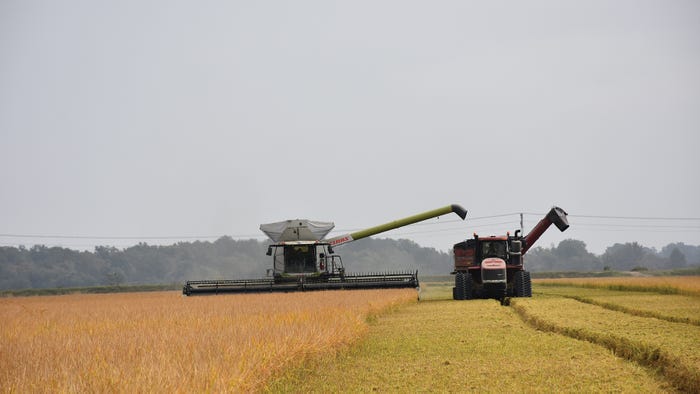
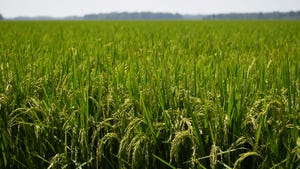
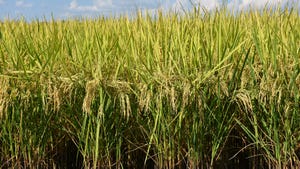
The LSU AgCenter and the Kellogg Co. are working together on a project to enhance the sustainability of Louisiana rice production destined for use by the company.

“For the past several years, we’ve been hearing interest from various groups about the idea of improving sustainability of rice producers,” said Steve Linscombe, director of the LSU AgCenter Rice Research Station.

Linscombe is a member of a USA Rice Federation task force formed two years ago to study sustainability, and he has been meeting with Kellogg representatives for the past year.

“From Kellogg’s perspective, this is not just a U.S. initiative,” Linscombe said. Sustainability is based on the principle of meeting the needs of the present without compromising the ability of future generations to meet their own needs.

Work is under way for a pilot program for Louisiana rice producers with the preliminary designation as the Louisiana Master Rice Grower Program, he said. Kellogg executives met with rice farmers at the Rice Station on Feb. 8.

A field day is scheduled for June 21 for Kellogg representatives and farmers who grow rice used by the company. In addition, invitations have been extended to attract other large corporations, such as Walmart.

“We are using the field day to showcase smart rice production but also to use it as an opportunity to make them aware of how rice is grown,” Linscombe said.

A USA Rice Federation study examined the sustainability of American rice farming and concluded that farmers are on the right path.

“I think what this has shown is that we’re doing a pretty good job, and we have made significant improvements over the past 20 years,” Linscombe said.

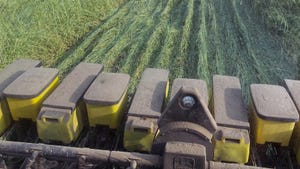
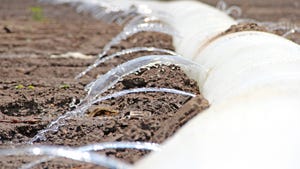
For example, he said, land-leveling is conserving water, and drill-seeding has resulted in water quality improvements. Smaller amounts of pesticides are now used to grow a crop.

“The bottom line in this is anything we do, we need to keep rice production profitable,” Linscombe said. “Because if it’s not, we won’t have any rice production, sustainable or unsustainable.”

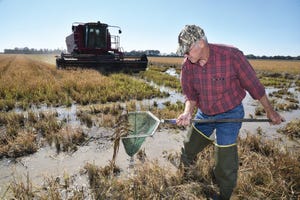
Farmer Charles Reiners of Acadia Parish, La., said before the meeting he had concerns that a company might be dictating stringent measures required of growers.

“I went in skeptical about what they were going to present,” Reiners said. “We went in there thinking that guidelines have already been set.”

Discuss this article 0

Post new comment
Sign In or register to use your Delta Farm Press ID
(optional)

Continuing Education Courses
New Course

The 2,000-member Weed Science Society of America’s (WSSA) Herbicide Resistance...

Potassium nitrate has a positive effect in controlling plant pests and diseases when applied...
This online CE course details sound mechanical irrigation design and management practices to...
Farmer-to-Farmer Used Equipment