Top Story
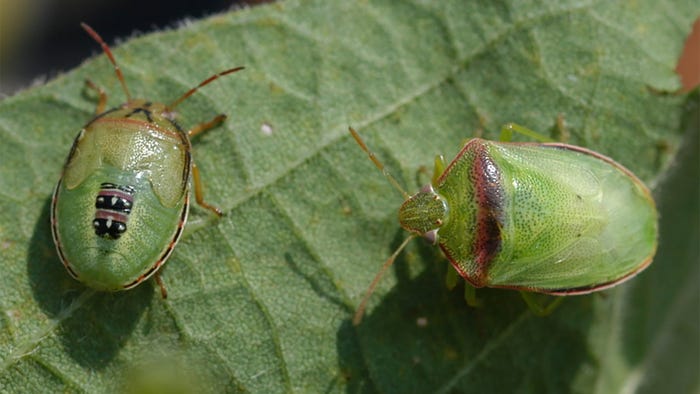
Tight supplies boost cottonJul 29, 2010 2:58 PM, By Hembree Brandon, Farm Press Editorial Staff A “very tight supply situation” currently characterizes the U.S. and world cotton scene, and U.S. growers “should benefit from it,” says Dale Cougot, senior economist for the National Cotton Council... HeadlinesEarly harvest: price benefitJul 29, 2010 4:00 PM, By Mary Hightower, University of Arkansas Division of Agriculture Some Arkansas producers will be ready to harvest in two to three weeks — and early delivery may provide them a windfall at the terminal.... Demand supports cornJul 29, 2010 2:52 PM, By Elton Robinson, Farm Press Editorial Staff Rabo AgriFinance agricultural economist Sterling Liddell expects that strong demand will support corn prices late into 2010 and early 2011, which could give support to wheat prices... Harvest weather: optimisticJul 29, 2010 2:33 PM, By Elton Robinson, Farm Press Editorial Staff Meteorologist Drew Lerner, with World Weather, Inc., provided an optimistic prediction for fall weather in the Mid-South this year when he spoke at the recent Brock Decision 2010 Seminar in Memphis... India to compete for cotton salesJul 29, 2010 2:23 PM, By Elton Robinson, Farm Press Editorial Staff India will again prove to be a major competitor for U.S. producers, starting sometime around December 2010, according to Joe Nicosia, Allenberg president and CEO... Arkansas crops: thumbs upJul 29, 2010 9:37 AM, By William Hehemann, University of Arkansas Division of Agriculture Despite a long hot, dry spell, armyworms, bollworms and rice stinkbugs, Arkansas’ 2010 row crops are in good shape.... World needs U.S. cottonJul 28, 2010 3:19 PM, By Elton Robinson, Farm Press Editorial Staff A big U.S. cotton crop could be a much needed salve for U.S. cotton producers and consumers around the world, according to Joe Nicosia, Allenberg president and CEO... Cotton insect pressure buildingJul 28, 2010 3:15 PM Mississippi cotton acres treated for spider mites will “reach an all-time high” this season, on a percentage of acres treated, says Angus Catchot, associate Extension professor of entomology and plant pathology at Mississippi State University... Rice panicle blight, neck blastJul 28, 2010 3:09 PM, From the University of Arkansas Division of Agriculture Neck blast of rice is in the Arkansas crop along with bacterial panicle blight... Loewer - USA Rice Federation chairmanJul 28, 2010 3:05 PM USA Rice Federation has elected Paul “Jackie” Loewer Jr. to be its chairman... Delta Farm Press News Archives Commentaries

|
Page Two
WTO framework agreement eases pressureJul 20, 2010 4:17 PM, By Hembree Brandon, Farm Press Editorial Staff A framework agreement in the World Trade Organization’s Brazil case “took a tremendous amount of pressure off the cotton industry and the U.S. government that could have resulted in costly retaliatory measures by Brazil on imports into their county and suspension of intellectual property rights,” says Craig Brown... advertisement Check out our new blog!Across the SunbeltPest management decisions in cottonStink bugs and grasshoppers are showing up in Oklahoma cotton fields, according to Terry Pitts, Oklahoma State University Extension integrated pest management specialist... Reusable grocery bags and E. coliReusable grocery bags can be a breeding ground for dangerous food-borne bacteria and pose a serious risk to public health, according to a joint food-safety research report issued by the University of Arizona (UA) and Loma Linda University in California... Today’s farming methods reduce carbon footprintSome organic farming advocates and public pundits have characterized modern agriculture as a major contributor to global warming.... INTERACT WITH US: |

advertisement

This course covers a wide range of options to effectively control weeds in cotton and reduce the risk of weed resistance management. It is accredited for hours/units for licensed/accredited applicators in 7 U.S. Cotton Belt states (Florida, Georgia, New Mexico, Oklahoma, Texas, South Carolina an d Tennessee. CCA credit is pending).
Keeping crop protection chemicals on the crop for which they are intended has been a cornerstone of farming not only to protect neighboring crops, but to not waste money allowing products to drift off the intended target. This accredited online continuing education course covers the critical elements of spray drift management.