What will Santa Claus bring farmers for 2007?

Dec 20, 2006 10:10 AM, By Forrest Laws
Farm Press Editorial Staff

2006 marked my 26th year of writing about agricultural and farm policy issues. I can’t remember the details of each, but few seem to have been as hot and dry and generally frustrating as this one.

LAWS

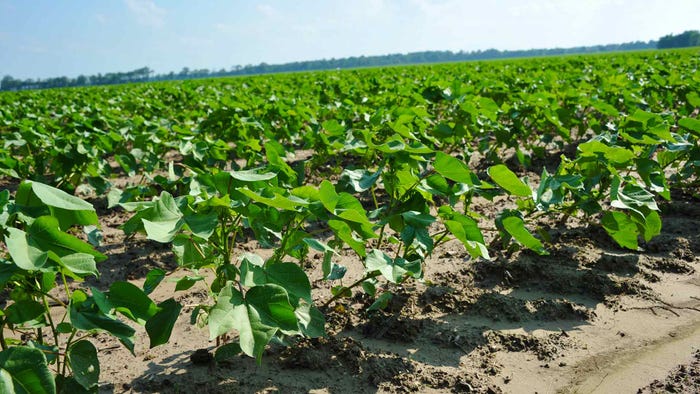
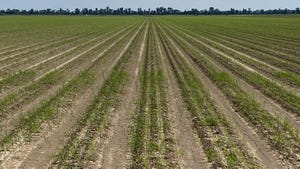
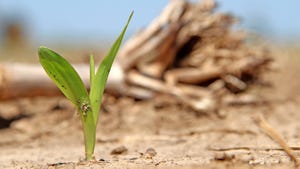
Tom Barber, Extension cotton specialist with Mississippi State University, noted recently that much of Mississippi’s cotton-growing area received no rain from planting time in April until harvesting began in September.

Growers in northeast Arkansas, the Missouri Bootheel and west Tennessee received ample rainfall and produced record yields. At this writing, some of the late Missouri crop was still in modules.

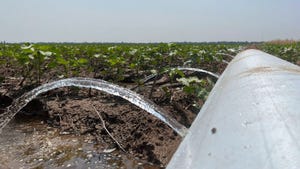
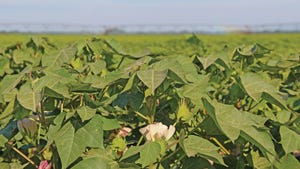
The fact that many farmers still picked their best crop ever, albeit an expensive one, is a testament to new varieties and improved irrigation techniques.

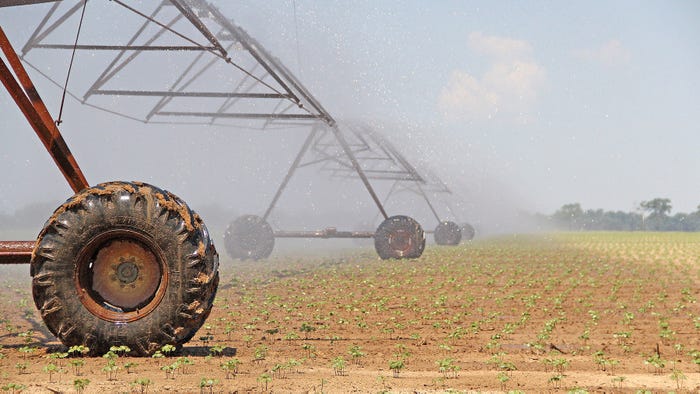
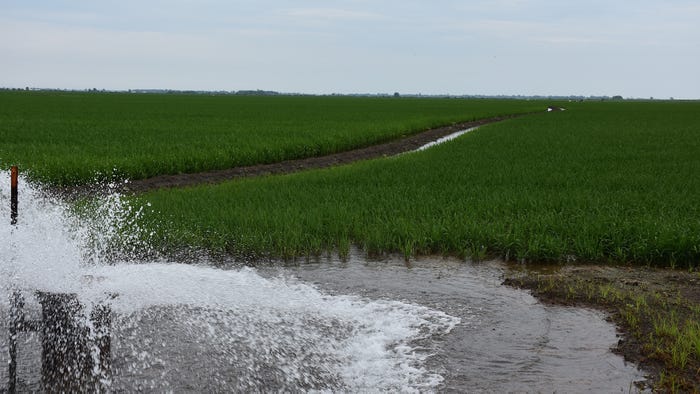
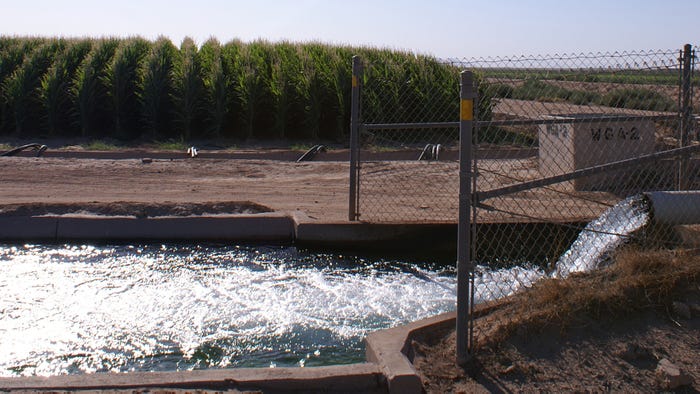
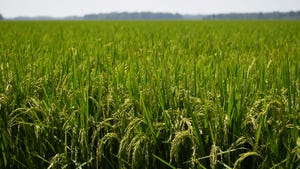
Corn, rice and soybean producers also had decent crops, although most growers spent far more than they had planned on irrigation. With on-farm diesel costs averaging $2.20 per gallon, some did well to break even.

Mid-South congressmen tried to pass legislation to offset crop losses to drought or high production costs. But the process became so convoluted that some who supported disaster aid voted against emergency assistance legislation.

As heated as the disaster debate became, 2006 may prove to be the calm before the storm that is likely to erupt when Congress begins writing the next farm bill.

Unlike 2001 and 2002, when the House Agriculture Committee wrote the current law, Congress is not looking at a budget surplus that could fund such tools as the then-new counter-cyclical payments.

In fact, with Congress looking at “deficits as far as the eye can see,” most observers expect farm organizations will do well to keep the safety net tools they have.

And, while most farm groups say they would prefer an extension of the 2002 law, the Bush administration has already said it wants to overhaul it. Agriculture Secretary Mike Johanns will begin making the administration’s case when he speaks at the National Cotton Council’s Beltwide Conferences and the American Farm Bureau’s annual meeting in January.

Johanns has told business and civic groups that Congress should revamp the farm bill because 10 percent to 20 percent of the nation’s farmers receive 70 percent to 80 percent of farm payments. We’ll see how good he is at selling that idea to farmers.

In Congress, Iowa Sen. Tom Harkin and Minnesota Rep. Collin Peterson will begin pointing the ag committees toward the task of writing the new legislation. With the administration gunning for farm programs, farmers may be happy to have committee chairmen who will probably be opposed to most of what Johanns proposes.

So relax and enjoy the Christmas cheer. 2007 is likely to bring a sleigh full of challenges for farmers and their organizations.

e-mail: flaws@farmpress.com

Get Copyright ClearanceWant to use this article? Click here for options!
© 2009 Penton Media, Inc.


Latest Jobs

Read More Daily News

WTO awards Brazil retaliation authority

Nov 20, 2009 11:01 AM

The World Trade Organization has authorized Brazil to seek retaliation against the United States for it support of two U.S. commodity programs....

Precision ag – online course

Nov 20, 2009 10:53 AM

University of Missouri Extension is offering an eight-week online course on managing farm machinery using precision agriculture, Jan. 12 through March 4....

Soybeans — U.S. key export supplier

Nov 20, 2009 10:48 AM

Weather problems are now thought to be factored into market prices. ...

$485 million loss – Mississippi

Nov 19, 2009 3:57 PM

Mississippi State University agricultural economists calculate Mississippi farmers are suffering an estimated $485 million value loss in 2009. ...

Biofuels goal beyond ethanol

Nov 19, 2009 10:05 AM

If the U.S. is to reach the government-mandated target of producing 36 billion gallons of biofuels annually by 2022, “We will need to change the way we do business,” says a USDA official....

Delta Farm Press News
Southeast Farm Press News
Southwest Farm Press News
Western Farm Press News

resources

events icon events

product info icon tradeshows

tradeshow icon digests

research icon photos

Continuing Education


(New Course)
Weed Resistance Management in Cotton

This course covers a wide range of options to effectively control weeds in cotton and reduce the risk of weed resistance management. It is accredited for hours/units for licensed/accredited applicators in 7 U.S. Cotton Belt states (Florida, Georgia, New Mexico, Oklahoma, Texas, South Carolina an d Tennessee. CCA credit is pending).

This course is accredited in Texas, Oklahoma, New Mexico, Virginia, West Virginia and Wyoming as well as for CCA credits:

(New Course)
Spray Drift Management

Keeping crop protection chemicals on the crop for which they are intended has been a cornerstone of farming not only to protect neighboring crops, but to not waste money allowing products to drift off the intended target. This accredited online continuing education course covers the critical elements of spray drift management.

Back to Top

Browse Print Issues

Additional Resources

subscribe to Farm Press Daily Southeast Farm Press Southwest Farm Press Western Farm Press