Resistance problem Barnyardgrass train wreck coming

Oct 31, 2008 12:00 PM, By Ford L. Baldwin Practical Weed Consultants, LLC. ford@weedconsultants.com

All during the winter of 2005 I wrote that the “weeds are talking… is anybody listening?” In that series I was writing about glyphosate resistance. I certainly was not the only weed scientist that saw big time issues with glyphosate resistance coming, so there is no saying, “I told you so.”

At the time, however, either folks were not listening, or they were hoping I was wrong, or they were hoping there would be answers before a problem occurred on their farms. After all, herbicide resistance is not a problem until it is on your farm.

I also predicted in 2005 that Palmer pigweed resistance to glyphosate would be a much larger issue than horseweed resistance. My reasoning was that I could see much better control options for horseweed than I could for Palmer pigweed once you took glyphosate out of the picture.

In 2008, I heard two prominent university weed scientists make remarks at field days that glyphosate could no longer be considered a pigweed herbicide in their state.

Again, I was not the only person who could see this coming. It is not a matter of being smart, but of listening to the weeds. When we push a herbicide or a technology farther than we should, a train wreck is going to happen.

In the case of soybeans, we may get lucky if the LibertyLink technology and some of the stacked trait systems that several companies are working on come on line quickly.

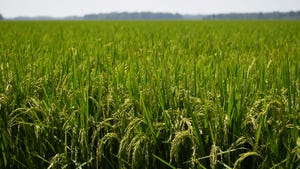
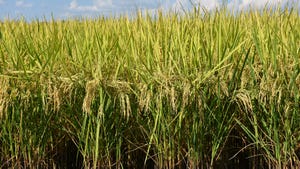
In rice, the weeds are talking, and I see a different train wreck on the horizon. When you look for weeds that have the potential to develop resistance quickest, look for those with the greatest genetic diversity. In rice the weed with the most genetic diversity is barnyardgrass, an Echinochloa species.

Barnyardgrass, jungle rice and other Echinochloa species are the top weed problems in rice worldwide. I am very concerned that we have a barnyardgrass resistance problem that could develop quickly while we are in a “new technology drought” in rice.

We may be in a time much like last year were farmers do not know what they will plant next year. However, I have always felt that when it comes down to it, rice farmers are going to plant rice.

I have heard some predict that the Clearfield rice acreage next year could be as high as 70 percent of the total. While that could be a stretch, it is obvious that Clearfield acres will increase to the extent the supply of good varieties allows — until it crashes.

You may be thinking, “Boy, that is a pessimistic statement coming from an optimist!” I will attempt to convey my reasons for concern.

First, there has been nothing but lip service on stewardship from industry since the introduction of the technology. That could be a moot point because it represents better weed control technology and farmers are going to use it.

A second reason for concern is Newpath and Beyond are ALS inhibiting herbicides. In addition, our “go to” herbicides for control of barnyardgrass escapes in both Clearfield and conventional rice the past couple of years have been Regiment and Grasp — both ALS inhibiting herbicides.

Typically, the mechanism of resistance to the ALS inhibiting herbicides has been the selection of resistant plants that existed in a normal population and then increasing them through selection pressure. The selection pressure comes from continuing to use the same herbicides, so you kill the susceptible plants and allow the resistant plants to increase.

Weed resistance history with the ALS inhibiting herbicides teaches that once it happens, those herbicides become ineffective in a matter of a couple of years.

Another reason for concern is the number of barnyardgrass failure calls I had last year and the subsequent increase in the number of barnyardgrass samples sent in to the University of Arkansas for resistance testing this fall.

I will start here next week.

Get Copyright ClearanceWant to use this article? Click here for options!
© 2010 Penton Media, Inc.


Latest Jobs

U.S. rice outlook dims

View the new video archive page!


Subscribe to RSS headline updates from:
Powered by FeedBurner

Continuing Education


(New Course)
Weed Resistance Management in Cotton

This course covers a wide range of options to effectively control weeds in cotton and reduce the risk of weed resistance management. It is accredited for hours/units for licensed/accredited applicators in 7 U.S. Cotton Belt states (Florida, Georgia, New Mexico, Oklahoma, Texas, South Carolina an d Tennessee. CCA credit is pending).

This course is accredited in Texas, Oklahoma, New Mexico, Virginia, West Virginia and Wyoming as well as for CCA credits:

(New Course)
Spray Drift Management

Keeping crop protection chemicals on the crop for which they are intended has been a cornerstone of farming not only to protect neighboring crops, but to not waste money allowing products to drift off the intended target. This accredited online continuing education course covers the critical elements of spray drift management.

Back to Top

Browse Print Issues

Additional Resources

subscribe to Farm Press Daily Southeast Farm Press Southwest Farm Press Western Farm Press