Walter Oliver: ‘Once you’ve grown cotton, it’s hard to get away from it’

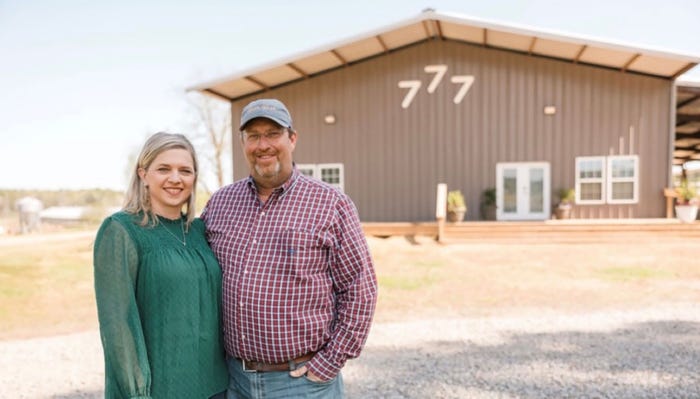
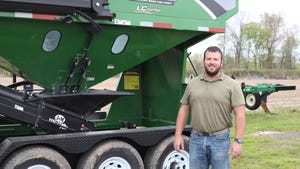
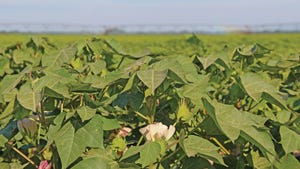
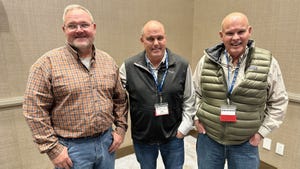
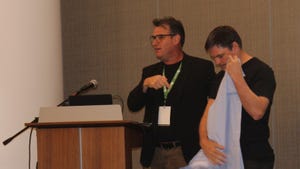
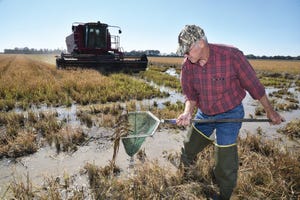
"I grew up in a cotton-oriented environment," says Walter Oliver, who farms in north central Mississippi, "and though I’ve grown soybeans and corn, cotton is my favorite. There’s just something about cotton — once you’ve grown it, it’s hard to get away from it." He favors a cotton/corn rotation, and this year has 1,500 acres of cotton and 1,350 acres of corn.

“ALTHOUGH I’VE GROWN soybeans and corn, cotton is my favorite,” says Walter Oliver, who farms in north central Mississippi. He prefers a cotton/corn rotation and this year has 1,500 acres of cotton and 1,350 acres of corn.

Cotton on stale seedbed

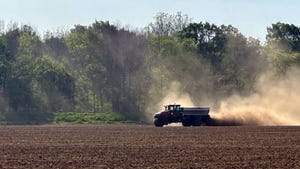
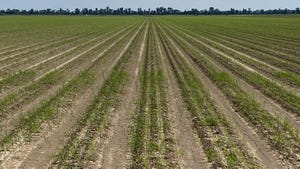
Cotton goes on a stale seedbed that has been rowed up in the fall; in the spring, he makes a burndown application, runs a Do-all, and plants.

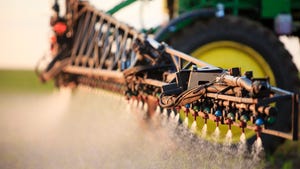
This year’s crop was planted May 5-16. “I applied three shots of Roundup, and laid by with Roundup and Valor, which pretty much takes care of weed control for the season. I used to apply only two shots of Roundup, but when the price came down, I added a third for better control.”

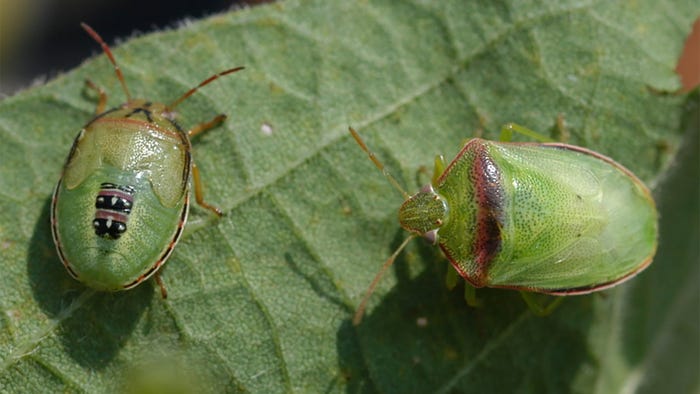
For insects thus far this year, Oliver sprayed Bidrin early for thrips and has applied Bidrin and Centric for plant bugs.

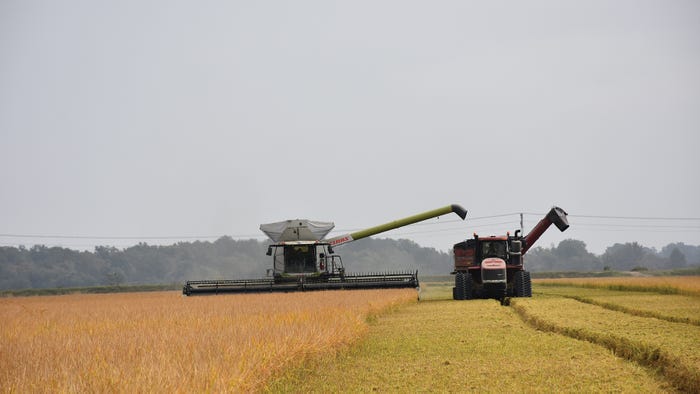
He expects to start harvesting the last of September or first of October.

His consultant, Heath Hill at Jimmy Sanders, Greenwood, Miss., works with him on crop management and treatment recommendations. He gins his cotton at Vaiden Gin, Vaiden, Miss., and markets it through Chassaniol Cotton at Greenwood, Miss.

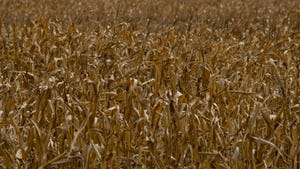
Corn has worked out well in his cropping program, he says, although the hot, dry June this year and last year took a toll on the crop.

“I’m hoping to average about the same as last year, 145 to 150 bushels, although some spots will do better,” he says.

He plants several varieties of corn, but the largest acreages are DeKalb 6805, followed by Pioneer 1615.

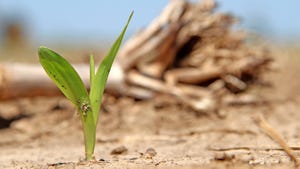
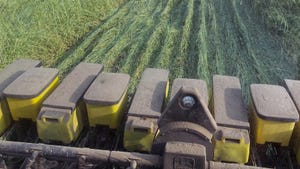
“Corn is planted either stale seedbed or no-till; behind cotton, I prefer to plant no-till. After burndown, I apply Halex and atrazine and that pretty much takes care of weed control till harvest, which usually starts about the end of August.”

He takes soil samples every year and follows laboratory recommendations for fertility.

“I’ll use a 20-50-90 mix on cotton ground and sidedress with N-SOL. For corn, I apply 70-70-70 up front and sidedress with N-SOL.

Discuss this Article 3

Evan
on Aug 21, 2011

You know, I really think everyone should read this article and others like it. Our farmers work so hard and I don't believe that they are getting nearly the credit that they should be.


Trying this casino en ligne comparatif has proven to be a great gambling opportunity and I hope that I can come back again.

Anonymous (not verified)
on Aug 21, 2011

It's not just the hard work, but the stress, as well. How many other people are risking everything they have on something as fickle as the weather?

Luis (not verified)
on Jun 14, 2012

I respect all the farmers, because the agriculture and the work of land are very hard and in order to make profit you need to have knowledge in different domains concerning the plants, the soil, the chemicals and many others.

 
You need to try our jeux de casino gratuit to see how real gambling works. Here you have many opportunities to make real money on the internet way.
Post new comment
Sign In or register to use your Delta Farm Press ID
(optional)

Continuing Education
Potassium nitrate has a positive effect in controlling plant pests and diseases when applied...
This online CE course details sound mechanical irrigation design and management practices to...

Newsletter Signup