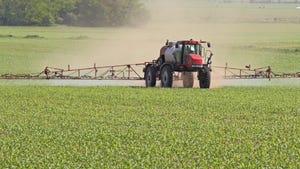
Glyphosate-resistant johnsongrass in Mid-South

Mar 19, 2008 10:09 AM, By David Bennett
Farm Press Editorial Staff
Johnsongrass, the latest entry to the lengthening list of glyphosate-resistant weeds — in both Arkansas and Mississippi — was announced in mid-March. It is the first glyphosate-resistant warm-season grass found in the United States.

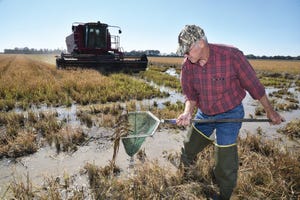
STUDYING RESISTANCE in Arkansas weeds — the latest is johnsongrass — means spending a lot of time in the greenhouse. “Resistant weed news keeps coming out of these greenhouses,” says Bob Scott, Arkansas Extension weed specialist. “Unfortunately, I don’t see that changing anytime soon.”

“We’re not trying to push resistance in these weeds,” says Bob Scott, Arkansas Extension weed specialist. “But there’s close to 5 million acres of Roundup Ready crops that get two or three applications of Roundup every season. Plus, we’re using Roundup as a burndown.

“It’s inevitable that such weeds are produced. It’s hardly a surprise.”

Johnsongrass found in a Crittenden County soybean/wheat field is the fifth glyphosate-resistant weed discovered in Arkansas. The others: horseweed (also known as marestail), common ragweed, giant ragweed and Palmer amaranth, a pigweed.

The resistant Mississippi johnsongrass was found in the northern Delta, outside Clarksdale. Even though the weeds were both found last year, there is no known connection between the sites.

“We haven’t found any other johnsongrass that worries me,” says Trey Koger, Mississippi Extension soybean specialist. “Last year, we did look at some populations in Washington County. But when plants were brought to the greenhouse and screened, they proved susceptible. I think the initial control failures were a function of drought stress rather than herbicide resistance, thank goodness.”

However, the Clarksdale-area johnsongrass is resistant and has received “a lot” of glyphosate over the last few years.

“From a weed control standpoint, all it’s gotten in-season is glyphosate. And from what I understand, the Mississippi population may be more glyphosate-tolerant than the one in Arkansas.”

For more on this story, see the March 28, 2008, issue of Delta Farm Press.

e-mail: dbennett@farmpress.com

Get Copyright ClearanceWant to use this article? Click here for options!
© 2010 Penton Media, Inc.


Latest Jobs

resources

events icon events

product info icon tradeshows

tradeshow icon digests

research icon photos

Continuing Education


(New Course)
Weed Resistance Management in Cotton

This course covers a wide range of options to effectively control weeds in cotton and reduce the risk of weed resistance management. It is accredited for hours/units for licensed/accredited applicators in 7 U.S. Cotton Belt states (Florida, Georgia, New Mexico, Oklahoma, Texas, South Carolina an d Tennessee. CCA credit is pending).

This course is accredited in Texas, Oklahoma, New Mexico, Virginia, West Virginia and Wyoming as well as for CCA credits:

(New Course)
Spray Drift Management

Keeping crop protection chemicals on the crop for which they are intended has been a cornerstone of farming not only to protect neighboring crops, but to not waste money allowing products to drift off the intended target. This accredited online continuing education course covers the critical elements of spray drift management.

Back to Top

Browse Print Issues

Additional Resources

subscribe to Farm Press Daily Southeast Farm Press Southwest Farm Press Western Farm Press