Will EPA kill Yazoo Backwater Project?

May 15, 2008 10:26 AM, By David Bennett
Farm Press Editorial Staff

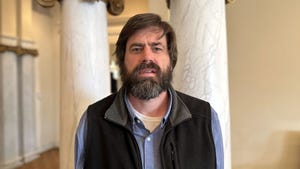
As chief engineer of the Mississippi Levee Board, Peter Nimrod understands the Yazoo Backwater Project like few others. With the EPA threatening to shut the project down forever, Nimrod spoke with Delta Farm Press about the need for the project and the debate surrounding it. Among his comments:
On the EPA veto…

“At this point, the EPA veto is still a potential. But unfortunately, it’s likely (to happen). The EPA did initiate a 404(c) veto and have a proposed determination out. Basically, they’ll kill the pump project and any future projects that could include a pump. They’re strictly claiming, ‘you will never build a pump in the south Delta of Mississippi.’ We are hurtling at light speed towards the EPA killing the pump project forever.

“Now, we’re in a comment period that ends on May 5. Anyone who wants to get on the record needs to be quick.”

Putting aside the politics of this, as an engineer can you tell us if this project is actually doable? Other than scale, is there anything that’s exceptionally difficult about it?

“No, it’s very doable as a $220 million project. And I believe the Corps of Engineers already has about $50 million in the bank to get it off the ground. This (holdup) isn’t a problem with funding.

“Another aspect of the project would be large-scale reforestation in the area. That would allow up to 55,000 acres of existing agriculture land to be put back in trees.

“The WRP and CRP programs in the south Delta counties are already capped out. These programs aren’t an option for anyone wanting to convert their low-lying ag land back into trees. Well, here’s the option they need! This would pay them good money and allow them to keep the land in their name. And the Corps will come in and actually plant the trees for them.

“That land can then be used for whatever the landowner wants — hunting, timber harvest down the road, selling carbon rights.

“It’s very doable and certainly supported by the folks in the south Delta. They want flood protection for their higher ground. And, at the same time, they want the option to move some of their low-lying property back into trees. This large-scale reforestation component of the project will provide huge environmental gains.”

On environmentalists being opposed to the project...

“It’s odd. I don’t know what the big problem is. If this project is killed off, the environment will actually be harmed. It doesn’t make sense that an agency called the Environmental Protection Agency wants to kill a project that will benefit the environment. There must be a political decision coming from higher up, or something.

“There is widespread support for this — from the residents in the area to our Mississippi congressional delegation in Washington, D.C.”

How is it the EPA has the right to veto anything?

“The project has been congressionally authorized, funded and supported. But the EPA has one authority under the Clean Water Act — under Section 404(c) — where if they think a project will be absolutely detrimental to the environment and there’s no way to mitigate for it, they can veto the project. That’s what they’re using.

“It doesn’t make sense. It’s like they aren’t even thinking.

“There are huge, national environmental organizations that have despised this project and put out all kinds of misinformation about it. They’ve gathered support from around the world to oppose (it). They’re winning and they’ve got the EPA with them.

“The EPA has caved on this and decided they’ll give them something — the Yazoo backwater project is it.

“It’s absolutely discouraging. The Mississippi Levee Board is outraged that the EPA would do this. The EPA is supposed to be a cooperating agency. Sure, they can complain about (some aspects of the project). But to kill it off just doesn’t make sense.”

Has the EPA done anything like this previously?

“They got the veto authority in the 1970s. In the 1980s, they vetoed 11 projects. If you go back and look at all the projects they took through the 404(c) process, none have come back up. None have any signs of life.

“After those 11 vetoes, in the early 1990s, Congress said, ‘You know, it’s ridiculous that EPA has this veto authority on congressionally authorized projects.’ Congress then moved to take the EPA authority away.

“But EPA worked out a deal and promised not to use the veto, or limit it. And they haven’t vetoed anything else, until now. For 18 years they stayed away from the veto and then, all of the sudden, they’ve dusted it off for this sole project.”

On the project’s set-up…

“There’s so much misinformation floating around. It’s a simple project and a compromise. The original plan was to turn the pump on at 80 feet with a 25,000 cubic feet per second pump. Now, a much smaller pump — 14,000 cubic feet per second — would be used and it wouldn’t be turned on until the backwater area reached 87 feet. Seven feet of water in the Mississippi Delta is a lot since it’s so flat. There would be over 200,000 acres already underwater before the pump is cut on.

“That’s what the local folks are willing to allow in order to get the project through. Is allowing 200,000 acres to flood not an indication of the locals’ willingness to compromise?

“This is a good project. It has all these environmental features built in. Everyone wins with it: the people, the wildlife, the ag lands, and the trees. We’re upset that a project that’s that good for everyone and everything is being killed this way.”

e-mail: dbennett@farmpress.com

Get Copyright ClearanceWant to use this article? Click here for options!
© 2008 Penton Media, Inc.


Latest Jobs

Read More Daily News

Louisiana: post-hurricane insurance, contract concerns

Oct 6, 2008 10:30 AM

Early-season and late-season weather-related disasters badly impacted Mid-South growers. ...

U.S. seeks monitoring of Chinese textile imports

Oct 6, 2008 10:27 AM

Cotton Belt congressional members joined their colleagues and the U.S. cotton and textile industry in a call to broaden a key textile import monitoring program....

Rice protein moderates resistance to infectious disease

Oct 6, 2008 10:25 AM

Researchers at the University of California, Davis, have identified a plant protein that is a key player in moderating resistance to infectious disease. ...

Alternative crops conference Nov. 12-13 in Memphis

Oct 6, 2008 10:21 AM

AgBioworks, an initiative of the Memphis Bioworks Foundation, and the Tennessee Department of Agriculture are sponsoring an alternative crops conference at the Fogelman Executive Conference Center at the University of Memphis, Nov. 12-13, 2008. ...

Becker Underwood: will expand inoculant production capacity

Oct 6, 2008 10:18 AM

Becker Underwood will significantly expand the production capacity of its St. Joseph, Mo., facility to meet increasing demand for inoculants for soybeans, peanuts, peas and lentils grown in North America....

Delta Farm Press News

Southeast Farm Press News
Southwest Farm Press News
Western Farm Press News
resources

events icon events

product info icon tradeshows

tradeshow icon digests

research icon photos

Continuing Education

For National Certified Crop Advisers

A free American Society of Agronomy-accredited one-CEU course on spray drift management.

Back to Top

Continuing Education

For National Certified Crop Advisers

A free American Society of Agronomy-accredited one-CEU course on spray drift management.

Browse Print Issues

Additional Resources

subscribe to Farm Press Daily Southeast Farm Press Southwest Farm Press Western Farm Press