Cow culling strategies for cattle producers

Dec 4, 2007 9:44 AM

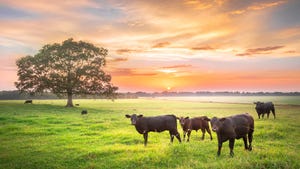
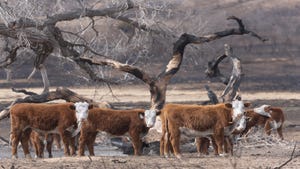
Cow performance should be evaluated at least once a year, and fall is a great time to take a hard look at the cowherd and make culling decisions if necessary. Jeremy Powell estimates culled cows make up about 20 percent of the cowherd income on an annual basis.

“Many factors can play a role in determining which cows should be culled,” says the veterinarian with the University of Arkansas Cooperative Extension Service. “The most important factor is likely pregnancy status, but other factors can help determine culling, including body condition score, calf performance, age, temperament, lameness, teeth, udder and eye condition.”

Open cows are the greatest contributors to poor economic efficiency in a cowherd and it’s costly to maintain open cows in the herd until next breeding season.

“It takes the net returns from two to three productive cows to offset the cost of maintaining one open cow for a year. A common goal among most operations is for a cow to calve every 365 days.”

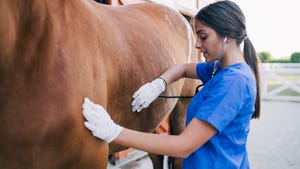
During fall herd work, have your veterinarian present to palpate cows for pregnancy or take blood samples to determine pregnancy status on your herd. You should investigate if there are a high number of open cows in your herd. Causes could include reproductive disease, poor bull fertility or poor cow body condition.

Body Condition Scoring (BCS) is another tool to help in culling decisions. “It’s important for a producer to try to maintain a uniform body condition across the herd. You should determine if cows will need costly extra supplementation going into the winter to help put on body condition before spring.”

Powell says there’s a direct relationship in BCS at calving and follow-up pregnancy rates among cows. “Take a close look at factors that may be affecting poor BCS such as poor soundness, possible disease or a bad mouth.”

While herd genetic improvement is largely dependent on sire selection, the dam contributes half of the genetics to the calf.

Poor calf performance can be a result of poor milk production, inferior genetics, calf illness or a combination of those factors. If poor calf performance is mainly related to calf sickness, then the cow may still have a productive future in the herd.

According to the data collected by the University of Arkansas Cow Herd Performance Testing Program, poor performing cows over several calving seasons are not likely to show greatly improved performance in future calving seasons.

Therefore, identification and culling of poor performing herd females can be effective for improving herd performance averages.

Another important culling gauge is structural soundness of the cow. Here are questions to ask in deciding structural soundness:

Are her feet and legs structurally sound for ease of movement under pasture and breeding conditions?

Are her eyes healthy?

Is her udder healthy with a level floor and good suspension?

Does she have four evenly spaced, acceptably sized teats?

Does she still have teeth that will be effective for grazing?

Is her disposition manageable with available labor and facilities?

The productive lifetime of a beef cow varies. As long as teeth, udders, feet and legs are sound, many older cows are often still able to perform well.

For more information about cattle production and culling practices, contact your Extension agent or visit www.uaex.edu and select Agriculture, then Beef.

Get Copyright ClearanceWant to use this article? Click here for options!
© 2008 Penton Media, Inc.


Latest Jobs

Read More Daily News

Louisiana: post-hurricane insurance, contract concerns

Oct 6, 2008 10:30 AM

Early-season and late-season weather-related disasters badly impacted Mid-South growers. ...

U.S. seeks monitoring of Chinese textile imports

Oct 6, 2008 10:27 AM

Cotton Belt congressional members joined their colleagues and the U.S. cotton and textile industry in a call to broaden a key textile import monitoring program....

Rice protein moderates resistance to infectious disease

Oct 6, 2008 10:25 AM

Researchers at the University of California, Davis, have identified a plant protein that is a key player in moderating resistance to infectious disease. ...

Alternative crops conference Nov. 12-13 in Memphis

Oct 6, 2008 10:21 AM

AgBioworks, an initiative of the Memphis Bioworks Foundation, and the Tennessee Department of Agriculture are sponsoring an alternative crops conference at the Fogelman Executive Conference Center at the University of Memphis, Nov. 12-13, 2008. ...

Becker Underwood: will expand inoculant production capacity

Oct 6, 2008 10:18 AM

Becker Underwood will significantly expand the production capacity of its St. Joseph, Mo., facility to meet increasing demand for inoculants for soybeans, peanuts, peas and lentils grown in North America....

Delta Farm Press News
Southeast Farm Press News
Southwest Farm Press News

Western Farm Press News
resources

events icon events

product info icon tradeshows

tradeshow icon digests

research icon photos

Continuing Education

For National Certified Crop Advisers

A free American Society of Agronomy-accredited one-CEU course on spray drift management.

Back to Top

Continuing Education

For National Certified Crop Advisers

A free American Society of Agronomy-accredited one-CEU course on spray drift management.

Browse Print Issues

Additional Resources

subscribe to Farm Press Daily Southeast Farm Press Southwest Farm Press Western Farm Press