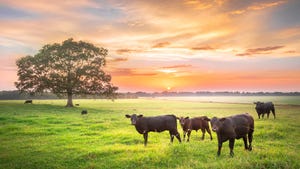
Wildlife resources bump income

Jun 16, 2006 10:07 AM, By Elton Robinson Farm Press Editorial Staff

There is serious cash to be made in wildlife-related enterprises these days. In fact, birds like the wood stork, red-throated loon or horned grebe could give the movie The Da Vinci Code a good run for its money.

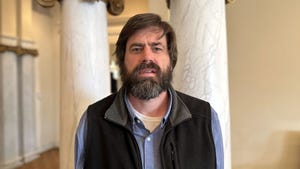
JONES

According to a 2000 survey by the U.S. Fish and Wildlife Service and the Department of the Interior, the economic value of wildlife-related industry in the United States is estimated at $108 billion. This is more than Americans spend on lodging, air travel or even going to the movies.

Mid-South farmers and landowners have an opportunity to cash in on nature, too. According to Daryl Jones with the Department of Wildlife and Fisheries, Mississippi State University, people from all over the United States and the world have a thing for anything rural and Southern. And they are willing to pay to experience it.

“We grew up with tupelo-cypress swamps and bottomland hardwoods and almost take them for granted. These types of habitat are very productive for wildlife and fish. People like to come and see them.”

Jones spoke about income opportunities through wildlife at the Natural Resource Enterprises Workshop at Mallard Lodge, just east of Valley Park, Miss. The lodge, part of a 2,500-acre conservation showplace in the Wetlands Reserve Program and adjacent to the Delta National Forest, is owned by Jack Branning.

For years, the property had been planted in soybeans and was frequently inundated with flooding from nearby rivers. “WRP fit this property like a hand in a glove,” said Branning, who also owns and operates Mallard hunting lodge on the site. “The government won because it didn’t have to pay out crop insurance and I won because I get to hunt and grow trees. It’s been a passion.”

Wildlife-related enterprises in Mississippi include fishing and hunting, viewing of wildlife in wild areas, horse trail riding, bed and breakfast, agri-tourism and lodging. “In Mississippi, there were 13 million hunters in the 2001 hunting season, along with 34 million anglers and 66 million who viewed wildlife and wildlife areas,” Jones said.

Jones and a host of other natural resource organizations are trying to promote these opportunities to landowners, who “can reap that resource, particularly if they’re interested in mixing with other people. And it gives you the opportunity to diversify income.”

An ongoing study found that hunting, fishing and outdoor recreation increased land values in Mississippi by an average of over $400 an acre. “In some areas, particularly in the north Delta, it’s driving land values. This is what rural appraisers are telling us.

“And there is not a tax liability associated with it. If the property is classified as ag and timber or timber, wildlife recreation will not increase that tax burden. It’s just added assets on the land value.”

Here’s more on opportunities for landowners:

A growing number of Mid-South landowners are finding it lucrative to charge hunters for access to their property. Studies indicate that short-term payment arrangements, like a weekend or weeklong hunt, are the most profitable. Deer and turkey are the most sought-after game species. Services provided, such as planting food plots, lodging and offering guide opportunities can also increase revenues.

There are liability concerns for the landowner if a hunter is injured, noted Jones, “but a landowner can lessen the liability by keeping hunters informed of potential problems, like warning the hunter about a mean bull on the back 40 or about an old cistern by a fence line. Don’t use cable gates that people can run into with a four-wheeler. And make sure in deer hunting that the tree stands are safe.”

Fee fishing is also growing in demand, according to Jones. Landowners need to stock fish, control problem aquatic weeds and fertilize. Value-added amenities such as offering guides and boats can increase revenue streams.

About 4 million horses are owned for riding trails in the United States, according to Jones. “These are often big events. People bring their own horses and camp out in trailers. They are a cohesive group, and landowners can market this type of opportunity.”

There are liability issues with this enterprise, too. However, “the Mississippi legislature has moved to limit liability concerns in horse trail riding on private lands.”

And then there are bird watchers. “Americans spend approximately $40 billion in birding opportunities,” Jones said “There is increased demand for this, especially with the habitat we have in the south Delta. Birders are usually older individuals with higher incomes, with more education.

“Landowners work with these nuances to provide learning opportunities for them. People love to pay for the opportunity to see wood storks and roseate spoonbills. They have a life list that they want to add various birds to.”

In Mississippi, wildlife recreation generates about $1 billion in direct economic impact annually, according to Jones. “That’s only behind poultry, forestry and surpasses some of the row crop production.”

And there is room to grow.

“Mississippi is so gifted with things that people from around the world want to come and see — the Delta, the row crops and the river,” Jones said. “The combination of sustainable agriculture and timber production and natural resource enterprises with fee access can help make ends meet and diversify landowner income. In the end, habitat, Mississippi, and the nation are better off for it.”

e-mail: erobinson@farmpress.com

Get Copyright ClearanceWant to use this article? Click here for options!
© 2008 Penton Media, Inc.


Latest Jobs

Read More Daily News

Louisiana: post-hurricane insurance, contract concerns

Oct 6, 2008 10:30 AM

Early-season and late-season weather-related disasters badly impacted Mid-South growers. ...

U.S. seeks monitoring of Chinese textile imports

Oct 6, 2008 10:27 AM

Cotton Belt congressional members joined their colleagues and the U.S. cotton and textile industry in a call to broaden a key textile import monitoring program....

Rice protein moderates resistance to infectious disease

Oct 6, 2008 10:25 AM

Researchers at the University of California, Davis, have identified a plant protein that is a key player in moderating resistance to infectious disease. ...

Alternative crops conference Nov. 12-13 in Memphis

Oct 6, 2008 10:21 AM

AgBioworks, an initiative of the Memphis Bioworks Foundation, and the Tennessee Department of Agriculture are sponsoring an alternative crops conference at the Fogelman Executive Conference Center at the University of Memphis, Nov. 12-13, 2008. ...

Becker Underwood: will expand inoculant production capacity

Oct 6, 2008 10:18 AM

Becker Underwood will significantly expand the production capacity of its St. Joseph, Mo., facility to meet increasing demand for inoculants for soybeans, peanuts, peas and lentils grown in North America....

Delta Farm Press News
Southeast Farm Press News
Southwest Farm Press News

Western Farm Press News
resources

events icon events

product info icon tradeshows

tradeshow icon digests

research icon photos

Continuing Education

For National Certified Crop Advisers

A free American Society of Agronomy-accredited one-CEU course on spray drift management.

Back to Top

Continuing Education

For National Certified Crop Advisers

A free American Society of Agronomy-accredited one-CEU course on spray drift management.

Browse Print Issues

Additional Resources

subscribe to Farm Press Daily Southeast Farm Press Southwest Farm Press Western Farm Press