Brandon: Brazil sets pace on alternate fuels

Oct 26, 2005 4:06 AM, By Hembree Brandon

More than 30 years after the Arab oil embargo struck fear through much of the industrialized world and U.S. leaders vowed “never again,” here’s how things stand:

BRANDON

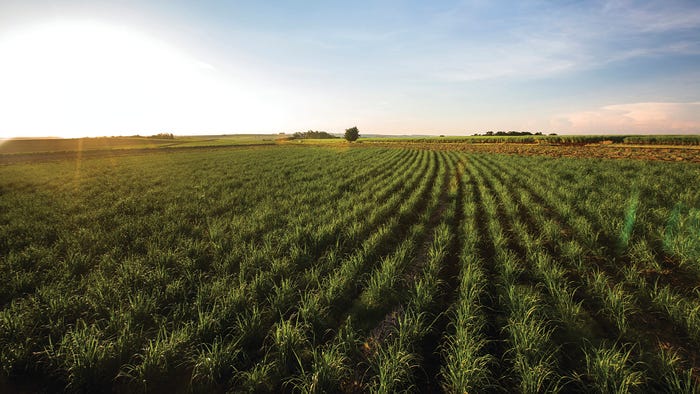
•?Brazil, the largest country in South America, has almost unshackled itself from foreign oil. It once imported 80 percent of its crude oil; now, it expects to be self-sufficient in a few years. Today, 40 percent of all the fuel Brazilians pump into their vehicles is ethanol, derived primarily from sugarcane bagasse. The government requires that all fuel sold within the country contain at least 25 percent ethanol.

Selling like hotcakes are new Brazilian-made automobiles with “flex” engine systems that allow them to run on gasoline, gasoline-ethanol mix, or straight ethanol. Unlike “hybrid” engine cars in the United States, they cost no more than with a conventional engine. Brazil’s commercial aircraft manufacturer, Embraer, can’t meet the demand for its ethanol-powered planes.

Billions of investor dollars are flowing into Brazil’s ethanol sector, and the country’s rural economies have received significant benefits.

Further, with more than 300 ethanol plants now online and another 50-plus in the works, Brazil is exporting ethanol like crazy to willing buyers around the world (including the United States), and it has potential for enormous production increases.

•?Germany, whose Rudolph Diesel invented the engine that immortalized his name, is now the world’s largest producer of biodiesel, and plans to increase production a whopping 50 percent each year. The high octane, high performance fuel is made from rapeseed oil.

•?In dozens of other countries around the globe, serious programs are under way to loosen petroleum’s stranglehold, with fuels that include ethanol and oils derived from everything from soybeans to coconuts.

•?The world’s largest ethanol plant is up and running in China, with more like it being planned, and the country’s auto plants also plan to churn out millions of flex fuel vehicles.

And in the United States?

Well, after three decades of fiddle-faddling, while becoming more dependent than ever on oil imports, the United States has finally begun a drop-in-the-bucket effort toward alternative fuels.

There are 70-some-odd plants producing 3 billion or so gallons of ethanol yearly, with a dozen or more under construction. Soydiesel production languished until last year, when Congress approved a subsidy for the fuel, but it lags far behind ethanol output.

There are reported to be 4 million U.S.-made cars on the road with flex fuel capability. My new Ford-made vehicle is one, according to the owner’s manual (although there’s nothing anywhere on the vehicle itself to indicate that capability).

And not that it matters a fig anyhow: I’d be up the proverbial creek if I planned my driving around flex fuel utilization. According to the map on the Web site of the National Ethanol Vehicle Coalition, E-85 fuel is available nowhere in Mississippi; at one place in Tennessee (Nashville); and nowhere in Louisiana and Arkansas. In fact, 14 states have absolutely no availability.

And until Congress enacts measures to facilitate development of an infrastructure to make flex fuels available everywhere, as they are in Brazil, we’ll still be knuckling under to Big Oil.

e-mail: flaws@primediabusiness.com

Get Copyright ClearanceWant to use this article? Click here for options!
© 2010 Penton Media, Inc.


Latest Jobs

Read More Daily News

NCC: 10.1 million cotton acres

Feb 8, 2010 10:30 AM

After three straight years of declines, U.S. cotton acreage could be headed back up, according to the National Cotton Council’s 27th annual Early Season Planting Intentions Survey....

Weed resistance, Washington headline Farm & Gin Show

Feb 8, 2010 10:24 AM

This year’s Mid-South Farm and Gin Show offers “perhaps the best set of exhibits ever,” says Tim Price, manager of the annual event to be held Feb. 26-27 at the downtown Memphis Cook Convention Center....

Darneille elected CCI president

Feb 8, 2010 10:22 AM

Wallace L. (Wally) Darneille, a Lubbock, Texas, cooperative official, will serve as 2010 president of Cotton Council International, the National Cotton Council’s export promotions arm....

Rice ‘growth industry’ — Weisemeyer

Feb 8, 2010 10:10 AM

Farmers attending the 2010 joint annual meeting of the Louisiana Rice Council and the Louisiana Rice Growers Association heard an optimistic report from a Washington, D.C., agriculture journalist recently....

U.S. cotton acres: 10.1 million

Feb 5, 2010 5:06 PM

U.S. cotton producers are expected to plant more than 10 million acres for the first time in three years as they begin making preparations for the 2010 planting season....

Delta Farm Press News

Southeast Farm Press News

Southwest Farm Press News

Western Farm Press News

resources

events icon events

product info icon tradeshows

tradeshow icon digests

research icon photos

Continuing Education


(New Course)
Weed Resistance Management in Cotton

This course covers a wide range of options to effectively control weeds in cotton and reduce the risk of weed resistance management. It is accredited for hours/units for licensed/accredited applicators in 7 U.S. Cotton Belt states (Florida, Georgia, New Mexico, Oklahoma, Texas, South Carolina an d Tennessee. CCA credit is pending).

This course is accredited in Texas, Oklahoma, New Mexico, Virginia, West Virginia and Wyoming as well as for CCA credits:

(New Course)
Spray Drift Management

Keeping crop protection chemicals on the crop for which they are intended has been a cornerstone of farming not only to protect neighboring crops, but to not waste money allowing products to drift off the intended target. This accredited online continuing education course covers the critical elements of spray drift management.

Back to Top

Browse Print Issues

Additional Resources

subscribe to Farm Press Daily Southeast Farm Press Southwest Farm Press Western Farm Press