Column: Kudos to America’s farmers

Mar 14, 2005 8:25 AM, By Hembree Brandon


Although it’s likely to get little notice in the general population, Sunday, March 20, is National Agriculture Day.

There will likely be no flowery speeches of tribute, no fireworks, no picnics, no bands playing, no pulpit sermons, no newspaper headlines (unless they’re about the ongoing attempts to dismantle the U.S. agricultural system) or TV specials.

It is a testament to the outstanding success of America’s farm bounty that it is taken for granted. Everyone expects to go to the supermarket and find a cornucopia of products. It’s a given that department stores will offer a wide-ranging selection of clothing and other textile goods (though it’s more and more a challenge to find products made in the United States).

Not without some irony do we note that today’s predominantly urban population knows almost nothing about the origins of its food/clothing or what it took to get it on the store shelves.

In a tad more than a century, we’ve gone from a society in which almost everyone was connected to the land to one in which a scant few are.

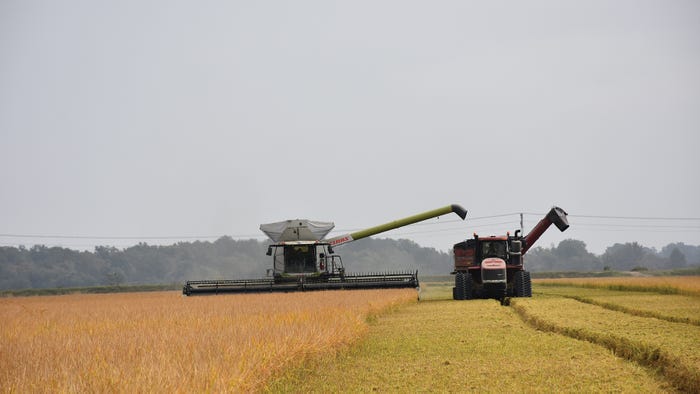
Those few, however, play a vital role in providing the most abundant, safest, cheapest food supply on the planet. Just two decades ago, the average farmer produced food/fiber for about 26 people; today, it’s 129. Much of this has been accomplished through improved efficiencies in equipment, crop and livestock genetics via both conventional breeding and biotechnology, and the tremendous advances in computerization/information management and precision farming technology.

And it’s all being done on far fewer acres, resulting in greater environmental stewardship, habitat enhancement, and reduced erosion.

U.S. consumers today spend about 9 percent of their income on food, compared to 11 percent in the United Kingdom, 17 percent in Japan, 27 percent in South Africa, and 53 percent in India.

Among the changes in agriculture that have had an impact on food production and the economic welfare and health of the nation:

• More abundant fruit and vegetable production to facilitate healthier diets.

• Meat products that are, on average, 27 percent lower in fat and cholesterol than in 1985.

• Biotechnology has resulted in better-tasting fruits and vegetables that stay fresh longer and are naturally resistant to destructive pests.

• Plant breeding has developed crops better able to handle drought, disease, and insect infestations, resulting in higher yields and lower costs to the consumer.

• Agriculture and related businesses provide jobs to some 15 percent of the population of the U.S. (despite the media blather about big agriculture, nearly 90 percent of the country’s farms are still operated by individuals or family corporations).

• Many new uses are being developed for crops — ethanol from corn (the largest industrial use of any crop), biodiesel from soybeans resins from corn and soybeans, pharmaceuticals from various crops, plastics, coatings, inks, adhesives, lubricants, solvents, etc., etc.

Though U.S. agriculture is under attack on several fronts and there are those who would move it all offshore, when you sit down for your family lunch Sunday, National Agriculture Day, you can reflect with pride on your role in America’s plenty.

e-mail: hbrandon@primediabusiness.com

Get Copyright ClearanceWant to use this article? Click here for options!
© 2008 Penton Media, Inc.


Latest Jobs

Read More Daily News

Farm bill and flooding: economist Daryll Ray

Jul 3, 2008 12:08 PM

After the first round of producer organization-sponsored farm bill meetings, Mid-South farmers still have plenty of questions about the new legislation....

Long-time Arkansas goat rancher — Jack Black

Jul 3, 2008 12:06 PM

As Jack Black looks on in the afternoon’s fading light, a flock of guinea fowl fords tall pasture grass pecking at insects and weaving through 30, or so, multi-hued goats. ...

Peanuts appeal to Mississippi growers

Jul 3, 2008 12:04 PM

Strong market prices and the ability to cope with less moisture than most crops have Mississippi’s peanut growers expanding their acreage again this year....

Rice field day in Richland Parish set for July 21

Jul 3, 2008 12:02 PM

The LSU AgCenter’s annual Northeast Louisiana rice field day will be held July 21 at the Elliot Colvin farm and the Rayville Civic Center in Rayville, La....

LSU AgCenter to host more biodiesel workshops July 29-31

Jul 3, 2008 12:00 PM

By popular demand, the LSU AgCenter will host another set of one-day workshops on how to make your own biodiesel. ...

Delta Farm Press News
Southeast Farm Press News

Southwest Farm Press News

Western Farm Press News
resources

events icon events

product info icon tradeshows

tradeshow icon digests

research icon photos

Continuing Education

For Texas and Oklahoma Licensed Applicators

A free online continuing education course on spray drift management accredited by the Texas and Oklahoma departments of agriculture.

For National Certified Crop Advisers

A free American Society of Agronomy-accredited one-CEU course on spray drift management.

ACCREDITED IN CALIFORNIA ONLY:


Almond Pest Management

Get the latest info on almond insect pest management and earn 2 hrs. CE DPR and CCA credit in California.

California Groundwater Protection Regulations

Earn 2 hrs. in California laws and regs CE and learn how to protect California groundwater supplies.

Powdery Mildew Control in California Grapevines

Learn about the No. 1 grape disease in California; earn 2 California CE hours.

ACCREDITED IN CALIFORNIA AND ARIZONA:


Insecticide Resistance Management in Agronomic and Row Crops

A 3-hr. CE approved for California and Arizona licensees and CCAs in both states.

Agronomic Weed Resistance Management in Row Crops, Trees Nuts and Vines

Weeds Resistance Management is approved for 3 hours of CE credit for all California and Arizona licensees and Certified Crop Advisers.

Lepidopterous Pest Management/ Pesticide Safety

This course is approved for 2 hours in Arizona and California (1 hr. of laws/regs; 1 hour Other) and for CCAs.

Managing Spray Drift to Minimize Problems

2-hrs laws and regs for California licensees; 2 hours in Arizona and for CCAs.

Back to Top

Browse Print Issues

Additional Resources

subscribe to Farm Press Daily Southeast Farm Press Southwest Farm Press Western Farm Press