Tommy Moody: ‘This year I’ve got wall-to-wall cotton’

What is in this article?:

Moody has already price-fixed about 35 percent of his cotton through his gin on mill-direct contracts ranging from $1.02 to $1.42, and hopes $1-plus prices will still be available for the rest of the crop at harvest time.

COTTON HAS BEEN the main crop for Tommy Moody since he started growing it again in 1991, after being out of the crop for several years thanks to budworms/bollworms and boll weevils.
 

Relies on consultant's experience

Moody’s consultant, Homer Wilson, Fulton, Miss., has done all his scouting for several years.

“He’s 78 years old, but still works like a Trojan,” Moody laughs. “He has forgotten more than I’ll ever know about insects and spraying. He gets out there and walks the fields, and his years of experience tells him what’s going on. “When he tells me to spray — or not to spray — I know I can follow his advice with confidence that it’ll save money for me or make money for me.

“Plant bugs are usually our biggest insect problem. I’ve sprayed for them three times thus far this season.”

It was a different story, though, when he got back into cotton in 1991.

“I could go into a field and pull 25 squares and almost be at the threshold to spray for boll weevils. The boll weevil eradication program has been a tremendous benefit to cotton growers. We went through some tough times with other pests in the early years of the program, but now we don’t have to worry about weevils any more — the results are well worth the investment growers have made.

“In 1995, we were spraying hot and heavy for budworms, and were averaging only 400 pounds per acre, with insecticide costs of $150 or more. Then, Bt cotton came along and it has been a real game changer. This technology has made a major difference in the way everyone in the Southeast grows cotton.”

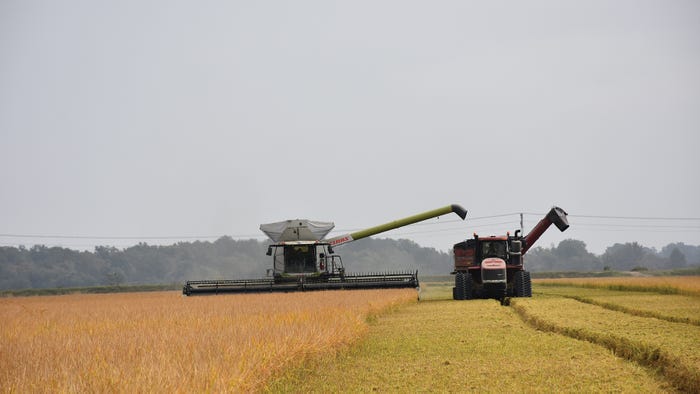
He usually starts harvesting the last week in September and can usually finish in 20 days of actual picking with his four-row John Deere 9965 picker.

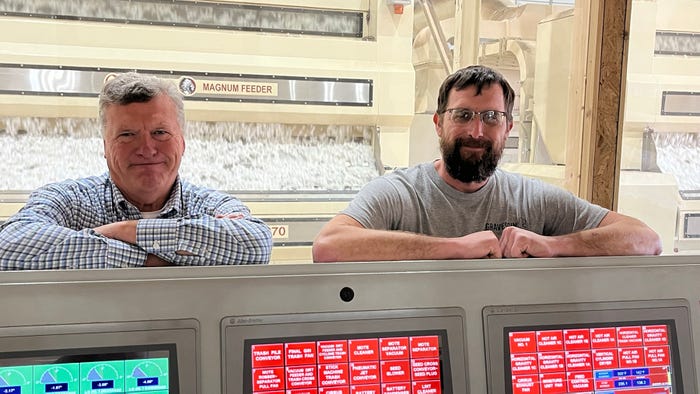
Moody’s cotton is ginned at Servico Gin, Courtland, Ala., “They’re 62 miles away, but they come and pick up my cotton and gin it. Before the big drop in cotton acres, they were ginning 50,000 to 60,000 bales per year, but I think they were down to about 30,000 last year.

“I didn’t manage to sell any cotton for $1 last year, but this year I’ve fixed about 35 percent of my expected yield at $1.02 and $1.42. In addition to the mill direct contracts through the gin, I also sell through Staplcotn.”

At one time, Moody says, he was farming twice the acreage he has now.

“But, a lot of the time it seemed I was chasing myself, trying to get everything done. I felt like I was wasting a lot of time, just moving equipment about and changing out equipment for different operations. Once I got my last child out of college, I started cutting back, and now I plan to stay pretty much at the level I am now so I can handle everything myself and have time for my family and my grandchildren.

“I do pretty much all of my equipment maintenance; I don’t buy a piece of equipment until I have to. I have an old Ford 8700 tractor that’s still running. I’ve always bought good used equipment, but last year I bought my first new tractor, a John Deere 7330.”

His nephew, Jimmy Moody, and great-nephew, Kaleb Moody, help out at busy times, and he occasionally hires some outside labor.

Most of Moody's land is rented — "I only own about 113 acres,” he says.

His long-time carpentry skills were put to good use when he built his new house about eight years ago, and he is now in the process of completing work on a new shop/equipment storage building.

“Because of time constraints, I had to contract some of the house work,” he smiles, “but I’m still pretty handy with carpentry tools.”

Moody is active in the Mississippi Farm Bureau Federation and is on the Mississippi State University Extension Advisory Committee. He and his wife, Joan, who retired after 25 years as a fifth/sixth grade teacher, are members of the Liberty Church of Christ.

Their children and in-laws are Kerry Moody, football coach at Belmont, and his wife, Kerri, hospital administrator at Russellville, Ala.; Kendra Moody Deaton, first grade teacher, and her husband, Andy Deaton, baseball coach, at Belmont; and Kale Moody, engineer with Taylor Machine Works, Louisville, Miss., and wife, Samantha, a nurse. Tommy and Joan have six grandchildren, five girls and a boy.


Discuss this Article 0

Post new comment
Sign In or register to use your Delta Farm Press ID

(optional)

Continuing Education
Potassium nitrate has a positive effect in controlling plant pests and diseases when applied...

This online CE course details sound mechanical irrigation design and management practices to...

Newsletter Signup