In east Mississippi, irrigation and cotton acres on the increase

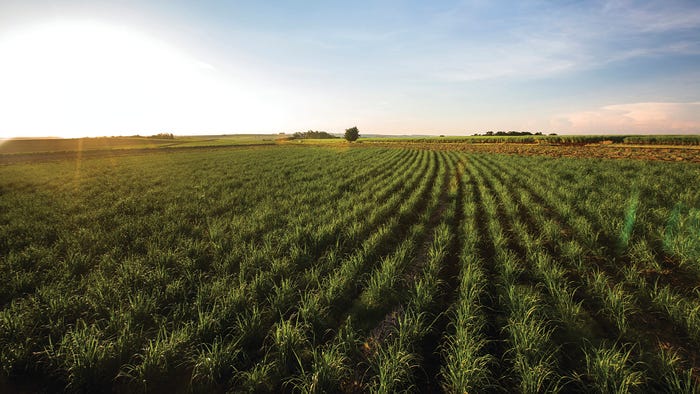
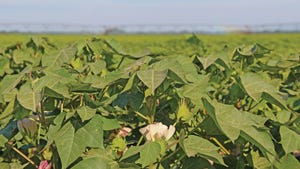
  • “The three seed dealers in this area have said their seed sales indicate a 30 percent to 40 percent increase in cotton acres this year,” says Jay Hoover, Macon, Miss., who is growing the crop for the first time this year. And growers in the area say there are reasons to believe coming years will see more land coming out of soybeans and into cotton as irrigation capability increases and a new $6.5 million cotton gin begins operation this fall.

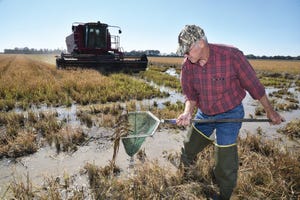
GROWING COTTON is a new experience for Jay Hoover, long-time grains and poultry producer at Macon, Miss. Area producers are diversifying into or expanding cotton acres as they increase irrigation capability.

'The kind of cotton year you dream about'

Jack Huerkamp, his son Brandon, his brother Joe, and Joe’s son, Tyler, are long-time cotton growers and are among the core growers in the area who consistently produce high yield, high quality cotton. All are shareholders in the new gin, and Jack is president.

“With new cotton varieties and irrigation, we now rival the Delta in both yield and quality,” Jack says.

Last year, he says, was “the kind of cotton year you dream about. I may grow cotton the rest of my life and never equal 2011 — but I’m sure going to try!

“We had a 1,540 pound yield average last year — by far the highest we’ve ever had. Our highest individual field yield was 1,739 pounds, and we had two others that averaged 1,737 pounds and 1,700 pounds.”

To achieve the consistently high cotton and corn yields they need, the Huerkamps utilize 20 Valley and Zimmatic center pivot systems, and plan to add more. Most are a quarter-mile long and are fed from reservoirs that range from 7 acres to 40 acres.

Both Jack and Joe are getting new round bale John Deere module builder pickers this year.

“We expect this will significantly increase our efficiency, while reducing the need for support equipment and labor,” Jack says.

There will be an estimated 20,000 acres of cotton this year within a 15-mile radius of the new gin, he says. “That’s up from 5,000 acres just a couple of years ago, and we expect the availability of nearby ginning facilities will spur additional cotton acres in coming years.”

In 1982, the last year Valley Gin operated near here, Jack says, “they were running four bales per hour. The new gin will be state of the art, capable of ginning 60 bales per hour. It will rival 90 percent of the gins in the entire country and is being built not only to handle present-day production, but with capacity to handle expected expansion of acreage.

We’ll also have a seed storage warehouse.”

In addition to the employment the gin will provide, it will generate money for the community through trucking, sales, and other services, he says.

Joe and Tyler Huerkamp farm 2,000 acres of grains and cotton near Macon. They’ll have 1,700 acres of cotton this year, Joe says.

“I think we’ll be seeing a lot more cotton in this area as irrigation capability increases,” he says. “We just can’t get the yield consistency with soybeans that growers elsewhere in the state get. We ought to be able to get 80 bushels or more with irrigation, but there’s jus too much variability in yield compared to cotton.”

Discuss this Article 0

Post new comment
Sign In or register to use your Delta Farm Press ID

(optional)

Continuing Education
Potassium nitrate has a positive effect in controlling plant pests and diseases when applied...
This online CE course details sound mechanical irrigation design and management practices to...

Newsletter Signup