In east Mississippi, irrigation and cotton acres on the increase

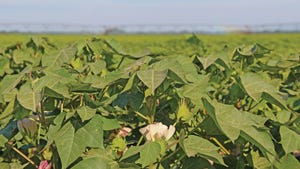
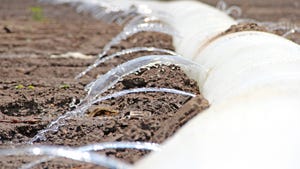
  • “The three seed dealers in this area have said their seed sales indicate a 30 percent to 40 percent increase in cotton acres this year,” says Jay Hoover, Macon, Miss., who is growing the crop for the first time this year. And growers in the area say there are reasons to believe coming years will see more land coming out of soybeans and into cotton as irrigation capability increases and a new $6.5 million cotton gin begins operation this fall.

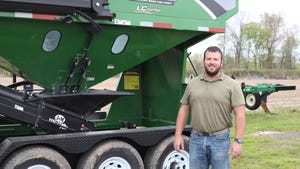
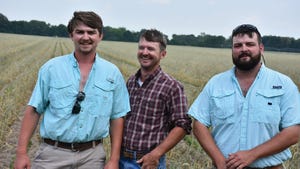
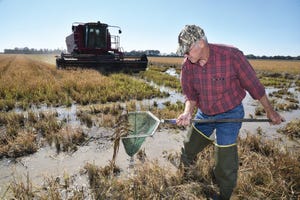
GROWING COTTON is a new experience for Jay Hoover, long-time grains and poultry producer at Macon, Miss. Area producers are diversifying into or expanding cotton acres as they increase irrigation capability.

The Masts: No more soybeans

Glenn and Rodney Mast, who farm 5,000 acres and have a farm equipment and irrigation dealership in Lowndes County, Miss., have made some significant changes in their operation this year.

They’ve had soybeans in their crop lineup for years, but have dropped them altogether this year in favor of cotton. They’ve also exited the catfish business they’d had for years, and will use the 120 acres of ponds as water source for center pivots.

They’ve planted 3,000 acres of Deltapine DP 0912 B2RF, DP 1034 B2RF, and DP 1133 B2RF. “We have good experience with these varieties — they’re the cream of the crop,” Glenn says.

The Masts bought a new round bale John Deere module builder picker last year, which further cemented their decision to go more strongly into cotton this year.

“We absolutely love that machine,” Glenn says. “So much so that we’re adding another one this year. We got unreal savings on labor and equipment. One man and one machine picked 1,700 acres last year; previously, we had two pickers and seven men doing the same work. With an all-in-one picker, the logistics of equipment movement between our scattered fields is so much easier, too.

“It makes life so much simpler just to have two crops and the harvest efficiency of these new pickers. On our heavy prairie soils, soybeans are so erratic — we can occasionally brag about 72 bushel yields, but there are also years when we lament 8 bushel yields. With irrigation, we can get more consistent yields with cotton, and we can get more production with less water. Over 50 percent of our land is irrigated with center pivots fed from ponds and reservoirs.

“With water and the new varieties, these black prairie soils can consistently produce 1,000 pounds-plus.”

Noxubee County averaged 1,347 pounds last year, some of the highest yields in the state, Glenn says. “On our farms, we averaged 1,370 pounds.”

The Masts were enthusiastic supporters of the new gin, and are shareholders. Rodney, who is secretary, says projections show the new gin will save Noxubee County cotton growers $336,000 in hauling costs versus going to more distant gins.

“We want to the gin to be an attractive option for all producers in the area,” Glenn says; some cotton will also come from farms just across the Alabama state line. “We want to help farmers make money and keep growing cotton.”

Discuss this Article 0

Post new comment
Sign In or register to use your Delta Farm Press ID
(optional)

Continuing Education
Potassium nitrate has a positive effect in controlling plant pests and diseases when applied...
This online CE course details sound mechanical irrigation design and management practices to...

Newsletter Signup